
Getting the messaging and visuals right for a rebrand launch can feel daunting. You’ve invested time and money into creating something you’re proud of to move your business forward, but presenting it to the world can feel like another challenge entirely.
This article covers messaging, visuals and which channels to use so that you can launch your rebrand or refresh confidently and clearly.
First, you may want to read How To Plan The Launch for your new branding.
1. What channels to use to launch a rebrand?
You’ll probably want to introduce your rebrand on your direct online customer-facing channels: Website, social and newsletter, as well as physical spaces. Depending on your capacity you may also want to consider PR and contacting media outlets.
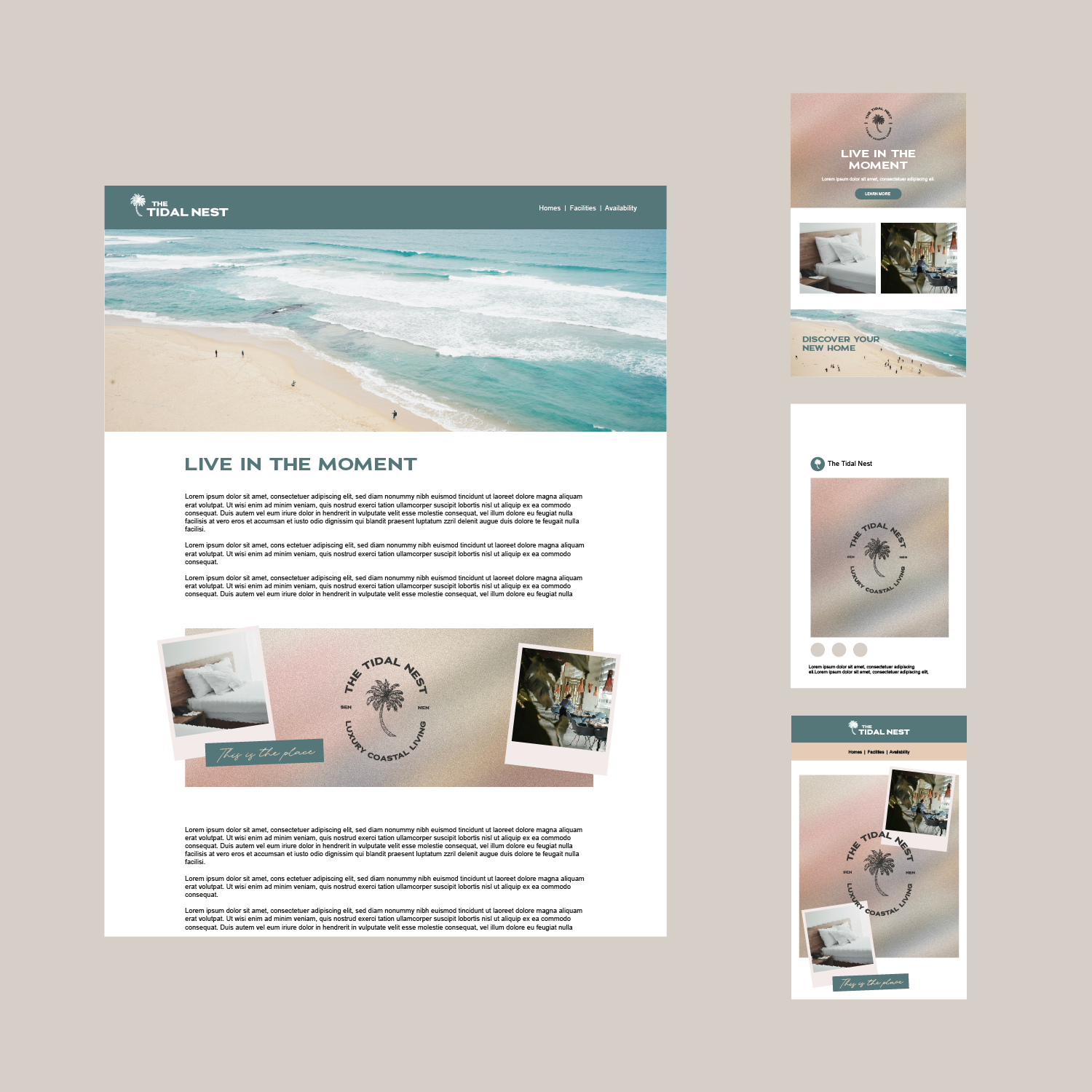
Start with your website, creating a blog or article which will act as your core piece of content. Everything else leads from here and links back to this which enables you to not only have a central place to showcase a lot of copy and images, but also means that you’re driving traffic to your website every time someone clicks to read more. Once you are ready to launch, you can feature it on your homepage and link to the article.
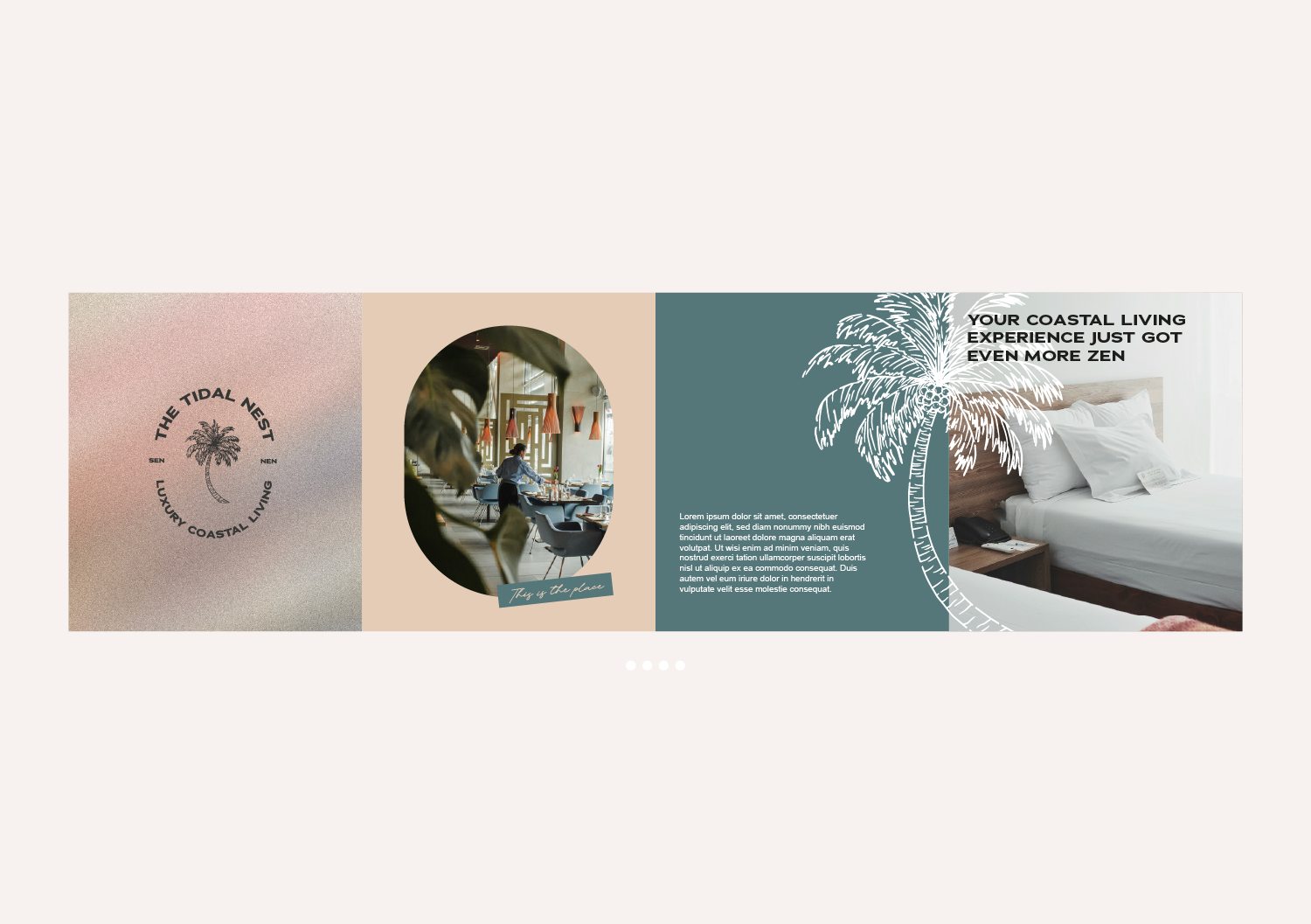
For social media, be mindful that the nature of the platforms often means you’ll receive some kind of negative comments. It’s normal, but it’s not useful. Ignore and move on. Use a reel or carousel with a caption to host the messaging you’ve taken from your article, these will allow you to get a few points across without it being cramped. In the caption mention that they can read more on your website and include the link so you drive traffic online.
Your newsletter is a great place to launch new branding. Again you can use a short explainer and then link through to the full article to drive traffic or you can repurpose the article in a newsletter format if your customers are used to longer newsletter reading.
For physical spaces such as shops, bars, cafes, restaurants and hotels, you might need temporary hoardings to conceal construction and refurbishments. An in-person event can work beautifully for a rebrand-launch as staff can talk to customers face-to-face and the newness can really be celebrated.
2. What messaging to use for a rebrand?
Write an article explaining the reasoning behind the rebrand, in a way which is relevant for your customers. You could speak about business evolution, a change in direction, maybe it fits in with future plans or works better with new products you’ve introduced.
The key is to focus on shared values, how your brand connects with your customer. Perhaps you went bolder and brighter because your customers are confident individuals who you want to feel energised when interacting with your brand, or you took a more elegant approach to the style because your customers appreciate timeless quality and quiet vibes. It shows you are trying to align with them and brings them into the story.
Customers can often feel wobbly when branding changes, especially if it’s long established. Simply stating what is changing – colours, logo, fonts etc – and what is not changing – great service, product quality and values – is enough to reassure them.
You don’t need to explain every design decision. Share the reasoning behind the bigger change, and move on. Unless there’s a genuinely interesting story behind a particular colour, typeface or graphic, customers rarely need that level of detail.
Things to avoid saying: You were bored of your old branding, sales were poor or you felt like too many competitors had similar styles – keep it positive.
You can then use the messaging from this article to write a condensed explainer for your other channels. Just a title and one line for your homepage will work, with a link through to the article.

Get useful articles just like this, every month, straight to your inbox.
3. What visual content to create for a rebrand?
Think about how you can tell the story of the rebrand through your visual. You’ll have received a logo in a folder from your designer but you need to put this into an appealing context that enhances it and connects with the rest of the style direction. The visuals should reinforce the story you’re telling in your messaging. If you’re positioning the rebrand as bolder and more confident, the photography, colours and layouts should reflect that energy.
Include photography that connects with the new style to enhance the overall story telling. Photography can be so powerful at getting across a message; not just the subject but also the style.
If you new branding suite includes illustrations this is a perfect time to introduce them, just make sure you don’t use everything all at once – be selective and keep some things in your back pocket for freshness down the line.
People love to see a behind-the-scenes glimpse so if you can show any of the process you went through to reach this goal, share it!
4. Mistakes when launching a rebrand
“Here’s is our new branding! Do you like it?!” – You’re opening yourself up to criticism and not providing any context. You’re also making this about yourself, not your customer, so they aren’t likely to feel any connection to it.
“This is our new logo!” – If your rebrand has been done properly you’ll know that it is way more than just a logo. Set the vibe, through colour, story telling, graphics, photography and mockups, show it working in context so it makes sense to the wider world. Just sticking a logo on a plain background is an almost guaranteed to fall flat.
Saying absolutely nothing – Some customers will inevitably feel unsure about change and by addressing it head on and reassuring them that they are still going to receive the same level of service and quality from you, you’ll avoid losing customers who lose your trust.
Content ready? Next you need to know how to plan the launch for your new branding.

 Freelance Creative based in Falmouth Cornwall, UK